
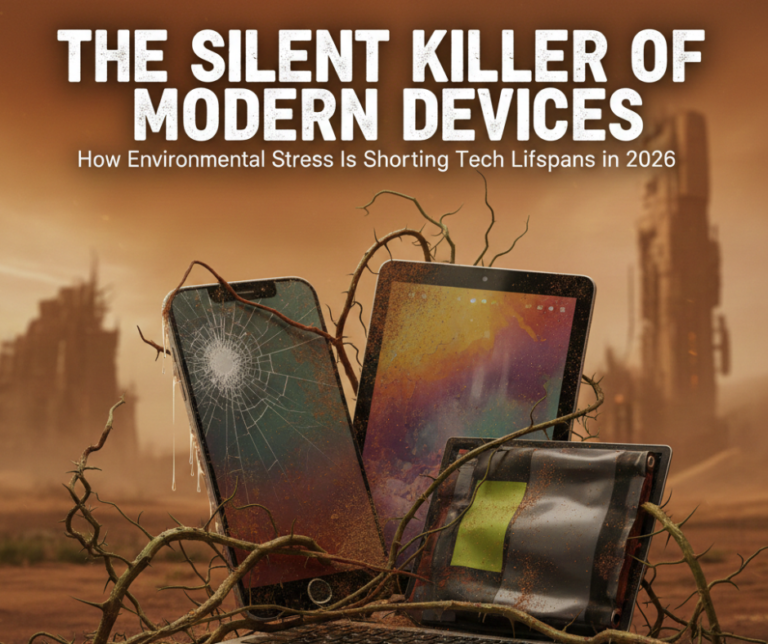
When people think about why their smartphones or laptops fail, they usually blame outdated hardware, bad batteries, or faulty updates. However, in 2026, one of the most overlooked causes of device failure isn’t inside the device at all—it’s the environment around it.
Heat, humidity, dust, air quality, and even daily usage locations are silently damaging modern electronics. As devices become thinner, more powerful, and more tightly packed, environmental stress has become a major repair trigger—often without users realizing it.
Why Modern Devices Are More Environment-Sensitive Than Ever
Today’s devices are designed for performance and portability, not resilience. Compared to older electronics, modern smartphones and laptops feature:
-
Ultra-thin internal layouts
-
High-density chips generating more heat
-
Compact cooling systems
-
Sealed designs with limited airflow
-
Sensitive sensors and soldered components
These advancements improve performance but reduce tolerance for environmental stress.
A device that works perfectly in one environment may degrade rapidly in another.
Heat: The Invisible Performance Killer
Heat is the number one environmental enemy of modern devices.
How heat causes damage:
-
Accelerates battery degradation
-
Weakens solder joints on motherboards
-
Triggers thermal throttling, slowing performance
-
Degrades display panels and adhesives
In 2026, devices often operate near their thermal limits due to:
-
5G connectivity
-
AI background processes
-
High-refresh-rate displays
-
Edge computing workloads
Even mild, repeated overheating can cut a device’s lifespan in half.
Humidity and Moisture: Not Just Water Damage
Many users think moisture damage only happens when a device is dropped in water. In reality, humidity alone can be enough to cause long-term damage.
Common humidity-related issues:
-
Corrosion on charging ports
-
Oxidation on internal connectors
-
Random touch or button failures
-
Speaker distortion
This is especially common in:
-
Coastal areas
-
Kitchens and bathrooms
-
Devices used during workouts
-
Laptops used near open windows
Humidity damage builds slowly—and is often discovered too late.
Dust and Air Quality: The Forgotten Threat
Dust doesn’t just make devices dirty—it disrupts airflow and cooling.
Over time, dust accumulation can:
-
Block cooling vents
-
Trap heat inside devices
-
Cause fans to work harder and fail sooner
-
Interfere with sensors and speakers
In urban environments, dust mixed with pollution becomes even more conductive and corrosive, increasing the risk of internal shorts and overheating.
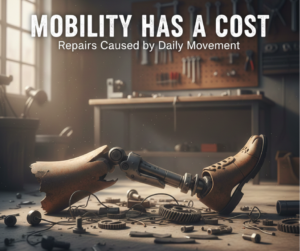
Mobility Has a Cost: Repairs Caused by Daily Movement
Modern devices are constantly on the move:
-
Laptops carried daily
-
Phones used while walking or commuting
-
Devices stored in backpacks and cars
This mobility introduces micro-damage, including:
-
Loosened internal connectors
-
Hairline cracks in solder joints
-
Gradual port misalignment
-
Camera and sensor calibration drift
These issues rarely appear suddenly—but they add up.
Why Environmental Damage Is Hard to Diagnose
Environmental stress doesn’t usually cause obvious failure. Instead, it results in:
-
Intermittent issues
-
Inconsistent charging
-
Random shutdowns
-
Unexplained slowdowns
Because the symptoms are subtle, users often blame:
-
Software bugs
-
Bad updates
-
Aging hardware
This leads to unnecessary replacements instead of targeted repairs.
How Professional Diagnostics Identify Environmental Damage
Modern repair services rely on more than visual inspection. Professional diagnostics include:
-
Thermal performance testing
-
Power fluctuation analysis
-
Corrosion and oxidation checks
-
Port and connector stress tests
-
Internal airflow evaluation
These methods help determine whether a device is suffering from environmental fatigue rather than component failure.
Preventive Maintenance Matters More Than Repairs
In 2026, the smartest repair is often the one that never happens.
Simple preventive steps include:
-
Avoiding prolonged use in hot environments
-
Keeping devices away from moisture-prone areas
-
Regular internal cleaning (professionally)
-
Using protective cases that allow airflow
-
Monitoring battery and thermal health
Small habits can add years to a device’s lifespan.
Environmental Stress and Sustainability
Environmental damage leads to:
-
More frequent repairs
-
Premature replacements
-
Increased electronic waste
By addressing environmental factors early, repair services help:
-
Reduce unnecessary part replacements
-
Extend device usability
-
Lower e-waste generation
-
Promote sustainable tech usage
Repairing smarter isn’t just economical—it’s responsible.
How Smart Electronix Addresses Environmental Damage
At Smart Electronix, environmental stress is treated as a core diagnostic factor. Repairs focus on:
-
Identifying heat-related degradation
-
Addressing corrosion before it spreads
-
Restoring airflow and thermal efficiency
-
Preventing repeat damage through maintenance advice
This approach ensures repairs don’t just fix symptoms—but solve the underlying cause.
The Future of Repairs Is Context-Aware
As devices continue to evolve, repairs will increasingly consider:
-
Usage environments
-
Daily habits
-
Mobility patterns
-
Connectivity demands
The future of repairs isn’t only about replacing parts—it’s about understanding how devices live in the real world.
Final Thoughts
In 2026, device failure is rarely accidental. Environmental stress silently shapes how long technology lasts and how well it performs. Heat, humidity, dust, and movement all play a role in shortening device lifespans—often without users realizing it.
Understanding these hidden factors empowers consumers to:
-
Prevent failures
-
Reduce repair costs
-
Extend device life
-
Make smarter repair decisions
Because sometimes, what breaks your device isn’t inside it—it’s all around it.