

As we move deeper into 2025, our everyday tech is becoming more connected than ever. Smartphones, smartwatches, earbuds, home assistants, trackers, and even household appliances are now part of one seamless ecosystem. This hybrid use is convenient—but when something goes wrong, repairs become far more complicated.
For technicians and consumers alike, understanding how these interconnected systems affect device repair is now essential. Here’s a breakdown of the real challenges behind repairing hybrid smartphone–IoT setups, and what shops like Smart Electronix are doing to address them.
1. The Rise of the Multi-Device Ecosystem
Smartphones today act as the “brain” for many IoT devices—smartwatches for health tracking, earbuds for audio, doorbells, sensors, lights, and countless smart home gadgets.
When one device fails, it often affects the whole chain.
Common symptoms of ecosystem-based failures:
-
Smartwatch not syncing due to smartphone Bluetooth issues
-
IoT devices dropping connections because of firmware conflicts
-
Notifications failing across all devices
-
Cloud backup or account pairing errors
A simple fault in one device can create a ripple effect across the entire ecosystem—making diagnosis more complex.
2. Firmware Fragmentation Complicates Repairs


Every device has its own firmware version, update schedule, and vendor restrictions.
But when you mix Apple, Samsung, Xiaomi, Garmin, Google Pixel, and dozens of IoT brands, compatibility becomes a nightmare.
Repair Challenges Include:
-
Firmware updates permanently breaking device-pairing compatibility
-
Region-locked firmwares limiting repairs in Australia
-
Vendor-locked parts requiring proprietary tools
-
Cloud-based restrictions (Find My Device / activation locks)
For technicians, it’s no longer just “fixing a device”—it’s ensuring everything in the ecosystem works together again.
3. Connectivity Issues Are Now Multi-Layered
Hybrid setups rely on:
-
Bluetooth
-
Wi-Fi
-
NFC
-
UWB (Ultra-Wideband)
-
Cloud Sync
-
Companion Apps
When a repair comes in, technicians must now troubleshoot multiple layers of communication.
Example Repair Scenarios
-
A smartwatch isn’t pairing—not because it’s faulty, but because the phone’s Bluetooth antenna is damaged.
-
IoT lights not responding because the router’s firmware is outdated.
-
Smart earbuds cutting out due to a corrupted companion app.
Repairs often involve both hardware fixes and software reconfiguration.
4. Miniaturisation Makes Physical Repairs Harder
Smartwatches and IoT sensors are incredibly compact.
Replacing components like:
-
Sensors
-
Micro batteries
-
Vibrator motors
-
Antennas
-
Tiny ribbon cables
…requires microscope-level precision.
Technicians must be trained in micro-soldering and have specialised equipment—something many general repair shops still lack.
5. Data & Privacy Constraints Affect Repairs

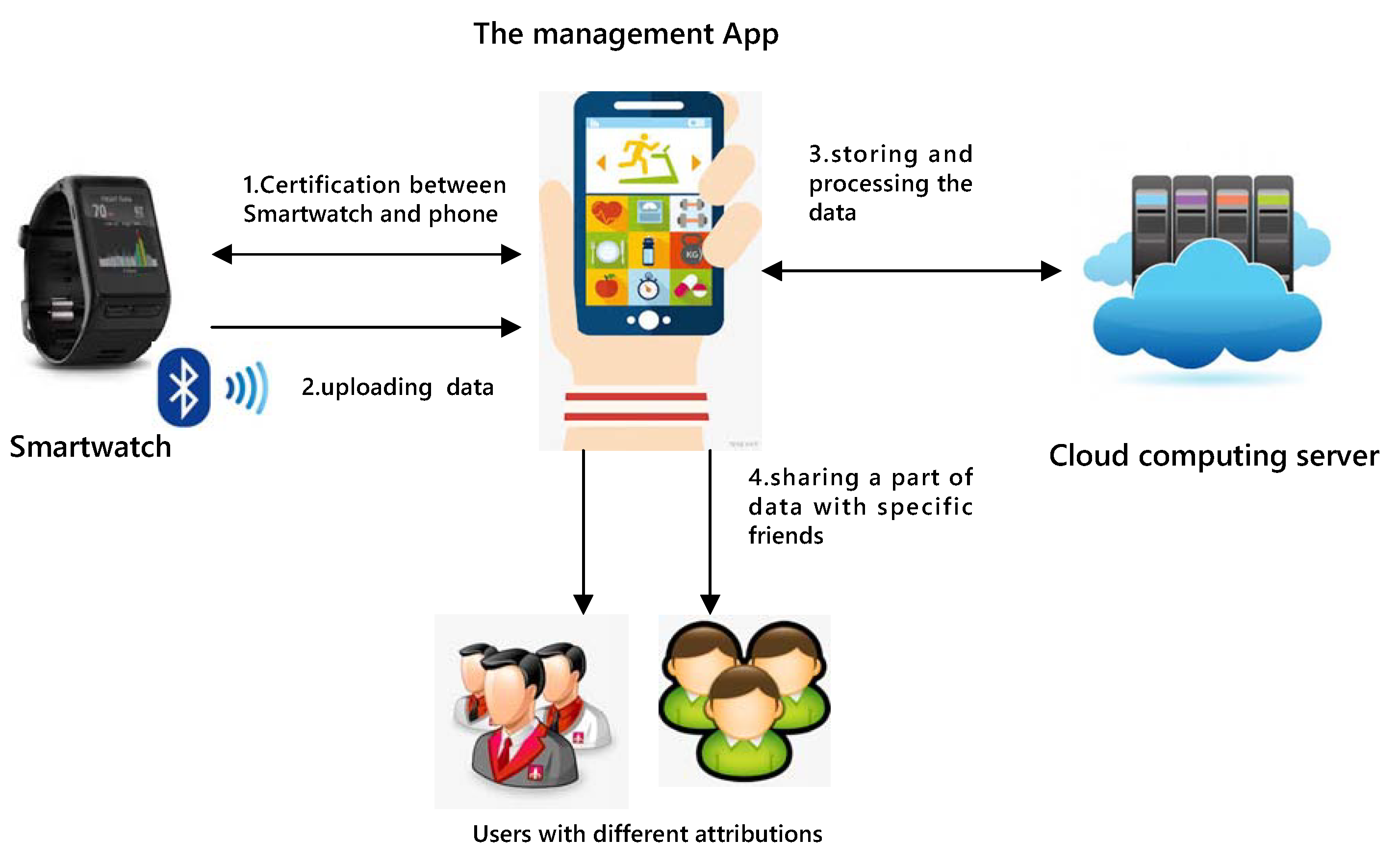

IoT and wearables collect sensitive personal data:
-
health metrics
-
sleep patterns
-
location information
-
video/audio feeds
-
smart home logs
This creates legal and ethical considerations during repairs.
Shops must follow strict protocols to avoid accessing sensitive data or violating privacy requirements. Customers increasingly demand transparency in how their data is handled.
6. Cloud Dependence Increases Diagnosis Time
Many IoT devices depend heavily on cloud services to function.
If a device can’t connect to the cloud, technicians can’t:
-
Activate it
-
Run diagnostics
-
Re-pair it
-
Test features
This is common with:
-
Smart home hubs
-
Fitness trackers
-
Smart doorbells
-
Subscription-linked devices
Sometimes, the device is fine—the cloud service is the problem.
7. How Smart Electronix Handles Hybrid Device Repairs in 2025
At Smart Electronix, repairing smartphone–IoT ecosystems requires a modern, structured approach.
Our Process Includes:
-
Full Ecosystem Diagnosis
Not just the broken device, but all connected hardware and apps. -
Firmware Compatibility Checks
Ensuring updates, versions, and vendor locks don’t cause new issues. -
Connectivity Testing
Bluetooth, Wi-Fi, UWB, and NFC analysis. -
Micro-Component Repairs
Using specialised precision tools for tiny IoT devices. -
Secure Handling of User Data
We follow strict no-access data privacy protocols. -
Cross-Brand Troubleshooting
Apple, Samsung, Fitbit, Xiaomi, Huawei, Pixel, and multi-brand IoT devices.
Hybrid repair is complicated, but we ensure the entire ecosystem works seamlessly again.
Final Thoughts
As smartphones, smartwatches, and IoT devices become more integrated, the repair industry must evolve. Technicians now troubleshoot not only hardware, but entire ecosystems of connected technology.
Hybrid device repair is the future—and shops like Smart Electronix are leading the change with advanced diagnostics, precision tools, and expertise in multi-device ecosystems.