
Whether it’s a cracked smartphone screen, a failing laptop battery, or a smartwatch that won’t sync, choosing the right repair shop makes all the difference. In 2025, the repair industry in Australia is booming—but not all repair shops deliver the same level of transparency, quality, or customer protection.
With increasing cases of poor-quality spare parts, misdiagnosed issues, overcharging, and untrained technicians, consumers must be more careful than ever. A reliable repair shop should provide clear communication, proper certifications, authentic parts, and genuine aftercare.
This guide will help you understand exactly what to look for before handing over your valuable smartphone, laptop, or tablet for repairs.
⭐ 1. Why Choosing the Right Repair Shop Matters More Than Ever
Modern devices are no longer simple. Today’s gadgets come with:
-
High-density batteries
-
Foldable displays
-
Precision soldering
-
Custom sensors
-
AI-powered processors
-
Ultra-thin motherboard circuits
An inexperienced or uncertified technician can cause more damage than the original problem.
Choosing the wrong repair shop can lead to:
-
Data loss
-
Damaged components
-
Cheap parts replacement
-
Voided warranties
-
Repeated failures
-
Safety risks (especially batteries)
A trustworthy repair partner ensures your device stays safe, reliable, and long-lasting.
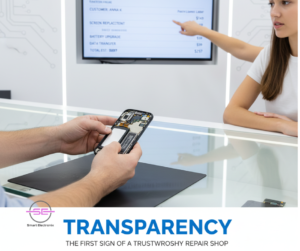
⭐ 2. Transparency: The First Sign of a Trustworthy Repair Shop
A good repair shop never hides information. They should clearly explain:
✔ What’s wrong with your device
A clear diagnosis—not vague statements like “your board is dead”—shows professionalism.
✔ What parts will be replaced
Shops should disclose whether they use:
-
OEM (Original Equipment Manufacturer) parts
-
High-grade aftermarket parts
-
Refurbished components
You should always know what’s going inside your device.
✔ The total repair cost
No hidden charges. No surprise fees.
A transparent shop gives a written estimate before starting work.
✔ Repair time and process
You deserve to know:
-
How long it takes
-
What steps are involved
-
Whether your data is safe
-
If parts are available or need ordering
✔ Warranty coverage
A reputable shop gives clear warranty terms for both parts and labor.
⭐ 3. Certification: The Mark of a Skilled Technician
One of the best indicators of a reliable repair shop is certified technicians.
Look for:
✔ Manufacturer Certifications
-
Apple Certified Technician
-
Samsung Authorized Repair Partner
-
Microsoft/Surface Device Certification
These show that technicians have been trained specifically for those brands.
✔ Industry Certifications
-
CompTIA A+
-
IPC soldering certification
-
Electronics repair training (board-level)
These qualifications ensure the technician understands safe handling, circuit repair, and diagnostic accuracy.
✔ Experience in the field
Repairs for smartphones, laptops, and tablets require different expertise. Choose technicians who specialize in your device category.
⭐ 4. Customer Protection: Keeping You and Your Data Safe
A repair shop should protect:
-
Your device
-
Your data
-
Your money
-
Your safety
Here’s how reliable shops ensure customer protection:
A. Data Privacy Policies
Technicians should promise:
-
No unauthorized data access
-
No copying, deleting, or transferring information
-
Secure handling of personal files
If a shop downplays data safety, walk away.
B. Warranty on Repairs
Industry-standard warranty:
-
30–90 days for parts
-
7–30 days for labor
-
Extended warranties for premium repairs
Shops that offer no warranty are risky.
C. Use of Safe, High-Quality Parts
Poor-quality batteries and screens can:
-
Overheat
-
Drain fast
-
Damage the motherboard
-
Cause electric shocks
-
Reduce display clarity and touch sensitivity
A reputable repair shop only uses high-grade or OEM parts.
D. Clear Invoices & Proof of Service
Your invoice should include:
-
Diagnostic summary
-
Parts replaced
-
Part quality level (OEM, aftermarket, refurbished)
-
Warranty details
-
Technician name
-
Cost breakdown
This protects you if something goes wrong later.
⭐ 5. Red Flags to Watch Out For
Be cautious if you see any of these signs:
🚫 Shops that offer repairs “while you wait” for major issues like board failures
🚫 No written warranty policy
🚫 No invoice or record of service
🚫 Extremely cheap pricing (usually fake or low-grade parts)
🚫 Technicians unwilling to explain the repair
🚫 Shops not allowing you to ask questions
🚫 Dirty, unorganized workspaces
🚫 No online presence or shady reviews
🚫 High-pressure sales tactics
Trust your instincts—if something feels off, it probably is.
⭐ 6. How Reputable Shops Like Smart Electronix Stand Out
In Australia, leading repair shops now prioritize:
✔ Full Transparency
Clear diagnostics, honest pricing, and upfront cost breakdowns.
✔ Certified Technicians
Professionally trained staff who follow global repair standards.
✔ Safe Repair Practices
Anti-static setups, precision tools, clean environments, and proper component handling.
✔ Customer Data Safety
Strict privacy policies and secure repair workflows.
✔ Authentic Spare Parts
Access to high-quality OEM parts for long-term durability.
✔ Modern Repair Technology
-
Microsoldering stations
-
Thermal imaging diagnostics
-
AI-powered fault detection
-
Ultrasonic cleaning systems
-
Precision alignment jigs for displays
✔ Post-Repair Support
Follow-ups, warranties, and customer guidance.
These qualities give consumers confidence that their devices are being serviced professionally.

⭐ 7. Tips for Choosing the Best Repair Shop in 2025
Before booking a repair, ask these questions:
-
Are your technicians certified?
-
Do you provide a written diagnostic or quote?
-
What quality of parts do you use?
-
Do you offer warranties on repairs?
-
How do you handle customer data privacy?
-
What is the estimated turnaround time?
-
Can I see customer reviews or testimonials?
-
Will I get a detailed invoice after the repair?
-
Do you perform board-level repairs if needed?
-
Can you guarantee my device’s safety during service?
If a repair shop confidently answers all these questions, you’re in safe hands.
⭐ Final Thoughts
Choosing the right repair shop isn’t just about fixing a broken device—it’s about protecting your data, your safety, and your investment. The best repair shops provide:
-
Clear transparency
-
Certified technicians
-
Quality spare parts
-
Honest pricing
-
Warranty assurance
-
Strong customer protection
-
Reliable aftercare
As devices evolve and repairs become more complex, consumers need a repair partner they can trust. Shops that prioritize professionalism and transparency will continue to lead the Australian market in 2025.