
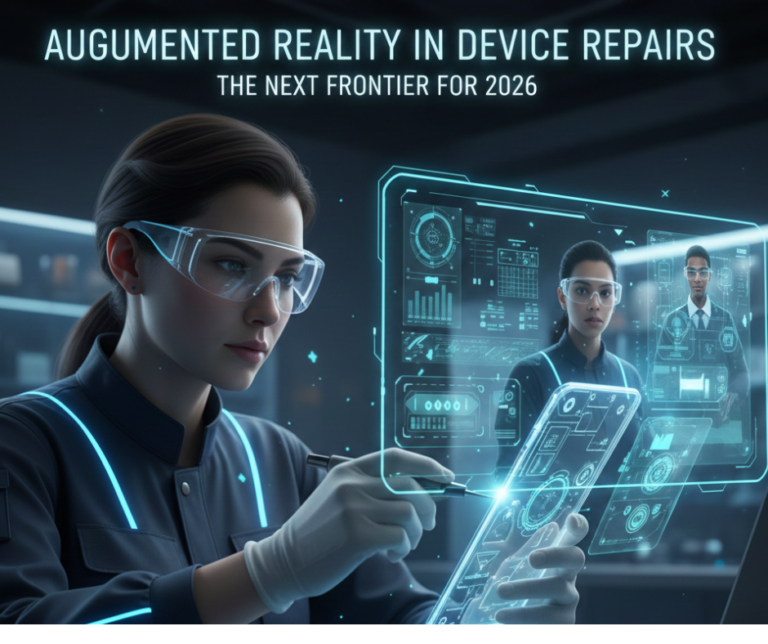
In 2026, repairing consumer electronics is no longer limited to physical tools and technical manuals. Augmented reality (AR) is revolutionizing the repair industry by providing technicians with real-time guidance, remote assistance, and interactive diagnostics. From smartphones and laptops to wearables and smart home devices, AR is helping professionals solve problems faster, more accurately, and with fewer errors.
This new era of AR-assisted repairs is changing expectations for both technicians and consumers. Let’s explore how AR is reshaping device repairs in Australia and why it’s a game-changer for 2026.
What Is AR-Assisted Device Repair?
Augmented reality overlays digital information onto the physical world. In repair scenarios, AR can provide:
-
Step-by-step visual instructions
-
Interactive 3D models of internal components
-
Remote expert guidance via live video feeds
-
Real-time diagnostic data overlaid on the device
By combining visual cues with digital insights, technicians can perform complex repairs with higher precision than ever before.
How AR Improves Repair Accuracy
Traditional repairs often rely on manuals, diagrams, or personal experience. AR takes this a step further by:
-
Highlighting exactly which components need attention
-
Showing optimal disassembly and reassembly sequences
-
Providing real-time warnings for sensitive parts
-
Integrating diagnostic results directly into the AR interface
This approach reduces human error, ensures consistent quality, and speeds up the repair process.
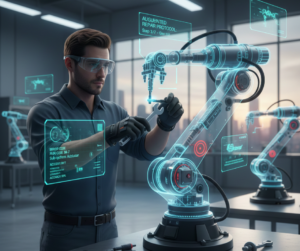
Remote Assistance: Bridging Distance With Technology
AR allows technicians to receive remote support from experts without needing to ship devices or travel. For instance:
-
A junior technician in Sydney can perform a repair under the guidance of a senior expert in Melbourne
-
AR annotations show exactly where to apply tools or replace components
-
Diagnostic data can be shared instantly to aid decision-making
This connectivity enhances the skillset of repair teams and increases service reach.
Benefits for Consumers
AR-assisted repairs are not just a win for technicians—they benefit consumers as well:
-
Faster Repairs: Visual guidance accelerates troubleshooting and part replacement
-
Higher Accuracy: Reduced errors mean devices are fixed right the first time
-
Lower Costs: Fewer mistakes translate into fewer repeat visits and lower repair expenses
-
Transparency: AR can be used to show consumers exactly what work is being done
This combination of efficiency, reliability, and transparency makes AR a compelling tool for modern device repair.
Challenges and Considerations
Despite its advantages, AR in repairs comes with certain considerations:
-
Technology Costs: AR hardware and software solutions require investment
-
Training: Technicians must learn how to effectively use AR tools
-
Compatibility: Not all repair scenarios or devices are fully AR-compatible
-
Connectivity: Remote AR guidance depends on high-speed internet for real-time interaction
Nevertheless, these challenges are outweighed by the long-term benefits of improved efficiency and precision.
The Role of Smart Electronix in AR Repairs
At Smart Electronix, AR is an integral part of our modern repair philosophy:
-
Remote AR Assistance: Experts guide technicians and even consumers through complicated repairs
-
Interactive Diagnostics: AR interfaces overlay real-time sensor and firmware data
-
Training and Education: Technicians use AR to learn new repair techniques faster
-
Consumer Transparency: Customers can see exactly what work is being done on their devices
By adopting AR-assisted repairs, Smart Electronix ensures faster, safer, and smarter device servicing for Australians.
The Future of Device Repairs With AR
The integration of AR into device repairs represents a shift from traditional, manual approaches to immersive, data-driven solutions. As devices become increasingly complex—foldable screens, modular components, AI-driven software—AR provides the tools necessary to keep up.
Technicians of the future will rely on AR for training, remote assistance, and enhanced diagnostics, making device repairs more reliable, precise, and accessible.
Conclusion
AR-assisted device repair is no longer a futuristic concept—it’s a practical, transformative tool for 2026. By combining visual guidance, remote expertise, and real-time diagnostics, AR empowers technicians and enhances consumer experiences.
For Australians, this means faster repairs, better accuracy, and more transparent service. At Smart Electronix, we’re embracing AR technology to deliver smarter repairs, protect data, and extend device lifespans.
The future of repairs isn’t just about fixing—it’s about seeing, understanding, and acting smarter.